



















Home - ARMS Dmit

Home

Home
Home 2026-03-10T06:42:41+00:00

DMIT

As you know, the Indian education system, focuses more on cramming information in the minds of our children, rather than giving them true knowledge, which they can use to shape a successful career. Our system also overlooks the specific learning needs of each child, who is unique, resulting in immense stress.

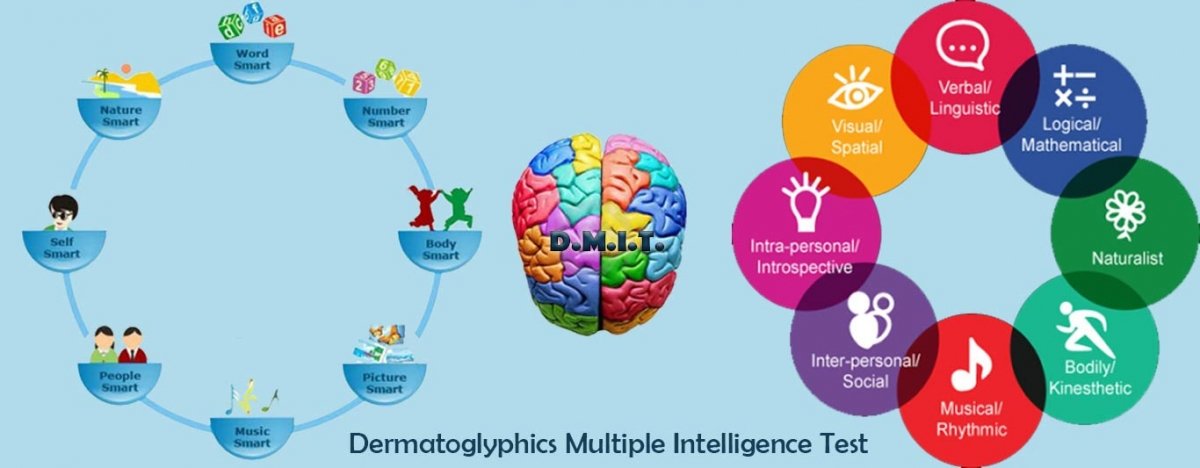
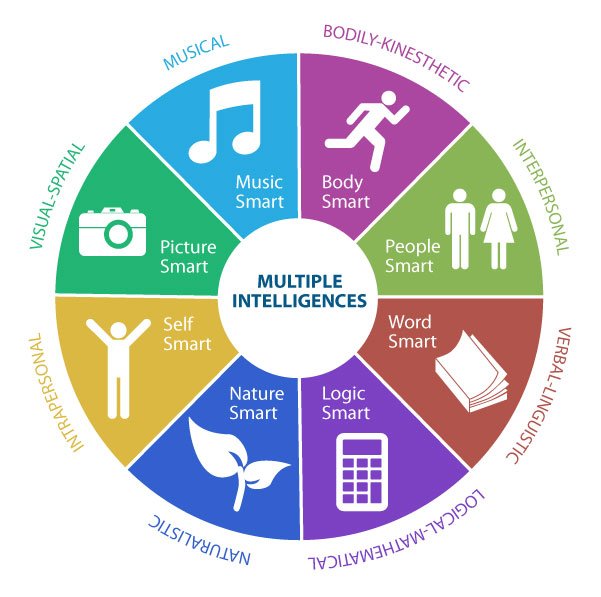
8 Multiple Intelligences

Visual–Spatial Intelligence

This intelligence is the ability to think visually — to form mental images, imagine possibilities, and picture outcomes before they happen. It involves seeing things clearly in the mind’s eye and understanding space, patterns, and visual relationships.
People with strong spatial intelligence are usually good at puzzles and visual problem-solving. This type of intelligence is commonly found in artists, photographers, pilots, painters, and architects.

Verbal–Linguistic Intelligence

This intelligence refers to the ability to effectively use language — whether through reading, writing, speaking, or listening. It involves expressing thoughts clearly, understanding others through spoken or written words, and communicating ideas with confidence.
Individuals strong in this area usually learn best through reading, note-taking, listening to lectures, participating in discussions, and engaging in debates. This intelligence is commonly seen in writers, speakers, teachers, lawyers, journalists, and similar professions.

Intrapersonal Intelligence

The ability to recognize and understand one’s own emotions, to develop accurate mental insights about oneself, and to apply this understanding when making important life decisions. The capacity to know and reflect upon oneself. Careers that align with this intelligence include philosophers, psychologists, theologians, writers, and scientists.

Naturalistic Intelligence

Enables a person to identify, categorize, and make use of elements in the environment. It is the ability to differentiate among living organisms and recognize patterns within nature. Careers suited for this intelligence include wildlife photographers, naturalists, conservationists, and gardeners.

Logical–Mathematical Intelligence

The ability to think logically and perform calculations, handle numbers, quantities, and operations effectively. It allows individuals to understand and apply abstract concepts and relationships. Many scientists, mathematicians, engineers, doctors, and economists demonstrate strong abilities in this form of intelligence.

Interpersonal Intelligence

Enables individuals to understand and differentiate others’ emotions and intentions. It involves the ability to work well with people, communicate effectively, and show empathy. Careers suited for this intelligence include politicians, managers, teachers, and social workers.

Kinesthetic Intelligence

Enables individuals to use the whole body or specific body parts to create, solve problems, or express ideas and emotions. It involves skilled and coordinated physical movement for expressive, recreational, or goal-oriented activities. People with this intelligence often enjoy acting, sports, dance, or performance-related fields.

Musical–Rhythmic Intelligence

The ability to create, express, and interpret meaning through sound. It includes composing music, singing, maintaining rhythm, and recognizing tones and complex musical patterns. Individuals with this intelligence have a strong sensitivity to sound due to a highly developed auditory ability.

The theory of Multiple Intelligences was developed in 1983 by Dr. Howard Gardner, professor of education at Harvard University. It suggests that the traditional notion of intelligence, based on I.Q. testing, is far too limited.

This theory has emerged from recent cognitive research and “documents the extent to which students possess different kinds of minds and therefore learn, remember, perform, and understand in different ways,” according to Gardner.


0 +
Business Associate Worldwide
0 +
Countries
0 +
Years
0 +
Student Participated

Learning Styles

Learning styles are various approaches or ways of learning. They involve educating methods, particular to an individual that are presumed to allow that individual to learn best. Most children favor some particular method of interacting with processing information.

Visual Learning Styles

Auditory Learning Styles

Kinesthetic Learning Styles

Mid Brain Activation

Midbrain is the part of brain which has got special command over both hemisphere of brain located highest side of brain stream.

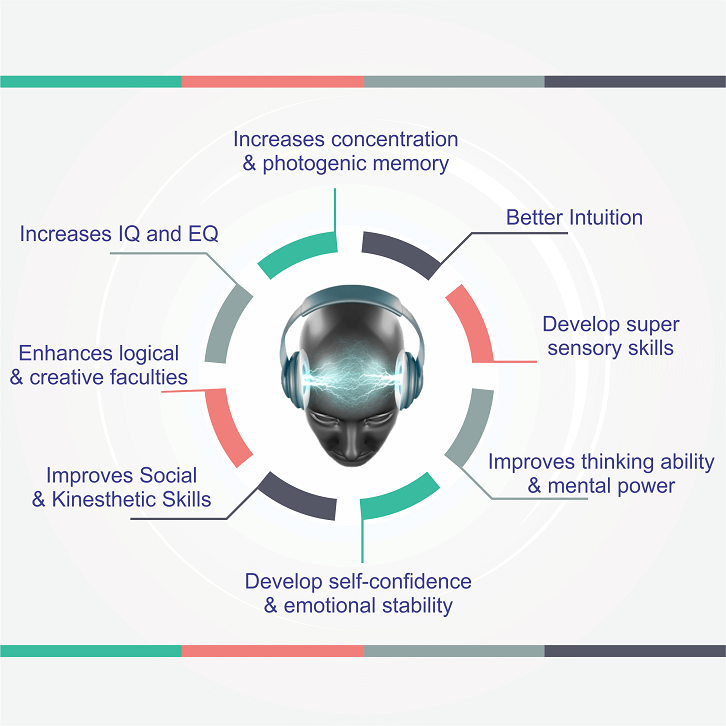
By activating or stimulating mid brain we get some balance between right and left brain which enable child to live balance life with great sensory enhancement resulting to superb concentration, speedy reading and photogenic memory

What Our Clients Say

Please see what our client says about ARMS Counseling Centre.

It is with great pleasure and enthusiasm that I am writing to endorse the DMIT Assessment report. Being a professional, I have also been a teacher as well as a mentor to many of my students.

Mrs. Gayatri
Today, every parent wishes that their child gets best education & Should come out with flying colors.It is the prime Duty Of every parent to find out their child’s interest in various fields & encourage them accordingly.
Dr. Dharmistha
I was Excited to Learn form you about mind-Happing by Dermatographic technique. To understand and assess this technique and its ability to comprehend multiple intelligence of a person or child.
Eves Clinic